
Moss Project
Explore the projectMoss Project connects reservations, departure availability, payments and administration with a .NET and PostgreSQL foundation. These flows show why customer actions and operational rules need a consistent backend.
Service · 04
A useful interface depends on consistent data and dependable business logic. Oakflare develops backend systems and APIs that connect applications, support operations and make product behavior easier to maintain as requirements evolve.
Service
Clear endpoints for web and mobile clients, with request validation, authentication and server-side authorization. Business rules live in the backend so permissions and important state changes do not depend on which interface makes the request.
PostgreSQL data models, external service integrations and background jobs for tasks that should not block a user request. We consider duplicate events, retries and partial failures when designing payment callbacks, notifications or data synchronization.
Operational tools for managing the records and actions behind a product, supported by a deployment process for cloud or Linux environments. Docker can make application environments repeatable; configuration and secrets need a separate, deliberate setup.
If several screens implement their own rules, behavior can drift. A shared backend clarifies who can perform an action, which data is required and how changes are recorded. API contracts make those decisions explicit for every client.
External services can time out or deliver the same event twice. We plan error responses, safe retries and observable job states around the consequences of failure. Reliability also involves database migrations, backups and a recovery approach suited to the system.
Review the product's data, business rules and existing integrations. Identify sensitive operations, expected usage and operational constraints before deciding where service boundaries belong.
Define API contracts, authorization rules and the database model. Plan transaction boundaries and failure behavior, including how background jobs are retried and how operators investigate errors.
Implement endpoints, migrations and integrations with tests for important rules and permission boundaries. Keep configuration separate from code and document how clients interact with the API.
Prepare deployment, health checks, logs and the agreed backup and recovery procedures. Review migrations and rollback options, then establish who maintains the infrastructure after launch.
.NET and FastAPI with Python provide options for API services. PostgreSQL handles relational data, while Docker and Linux support repeatable deployment. Cloud infrastructure is selected around workload, budget and operating responsibility; complexity must earn its place.
Existing API documentation, integration requirements and a description of critical business actions help define the work. Availability expectations, data migration and ongoing operational support should be agreed explicitly. Oakflare can work on a new backend or a defined part of an existing system.
Moss Project connects reservations, departure availability, payments and administration with a .NET and PostgreSQL foundation. These flows show why customer actions and operational rules need a consistent backend.
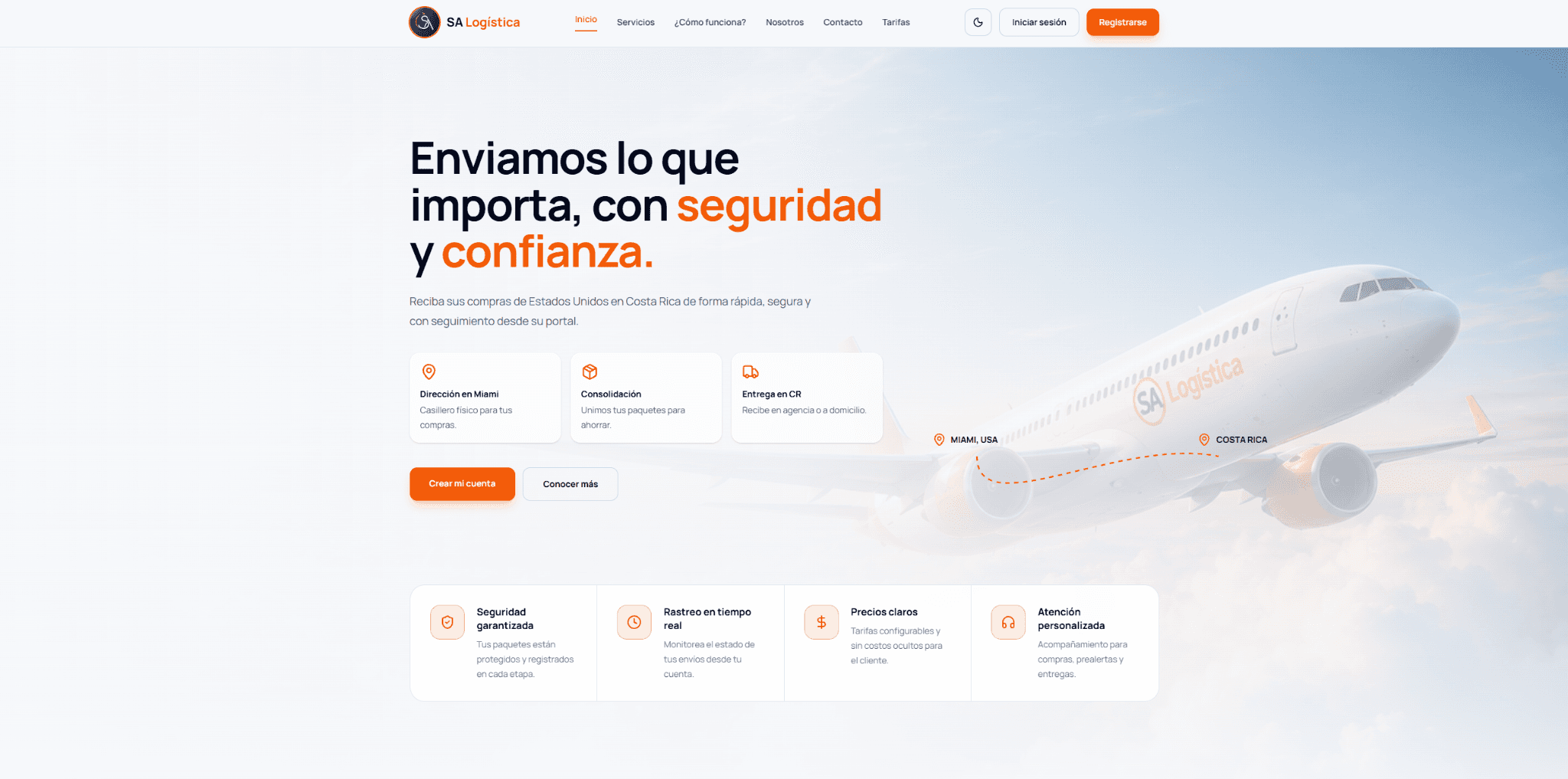
Logística SA combines a FastAPI backend, PostgreSQL persistence and Dockerized services on Linux. Customer, package and tracking workflows provide a concrete example of the systems this service supports.
Have a project?